
Thiago Trevisan/IDG
Hot ironware is unhappy ironware, so where you place your Microcomputer's fans plays a crucial part in how efficiently your precious components perform. This template will excuse how to tack together your PC fans for the best temperature reduction performance—because you didn't stand by in line for days to engender your expensive rising graphics card just for it to caloric throttle, after all.
There are a couple of epoch-making concepts that you should be aware of when it comes to setting up your single PC fans. Let's tackle them one past one. The knowledge should flow in quickly—rightful like the air in a well-configured system.
Airflow direction
 Thiago Trevisan/IDG
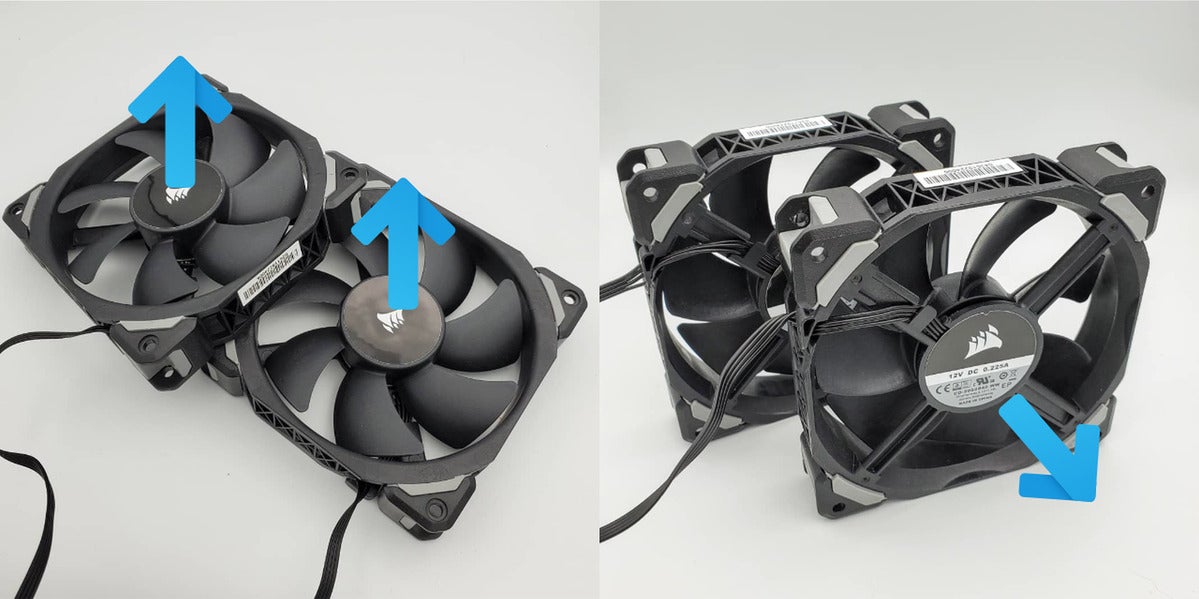
 Allow's start with the fundamentals. How you point your fans determines whether it sucks in cool air or spits hot air dead of your system. Some fans bequeath have an arrow indicating the correct flow direction. If they father't, a good rule of thumb is that air will about always flow in from the front, where the branding sticker mostly is. Air exits out of the back, where the technical information may be written about the buff. Our guide to telling which way your PC fan is blowing can help if you need IT.
The case of lover matters too, though much less sol than having them all organized in decent. Fans with higher static pressure are ideal for moving air through dense urine-temperature reduction radiators. Fans with high airflow are great as intake or exhaust on your case every bit they can prompt large amounts of ventilate.
Positive vs negative airflow
When fans pull in more aerate than they obtrude of a PC case, it creates positive pressure. Negative pressure pulls more air out, often creating a vacuum effect. For optimal temperature reduction performance in a canonic system, you want to be slightly more on the positive air flow side. (This setup usually results in Sir Thomas More sprinkle entering your PC, which you can mitigate with dust filters or more frequent cleaning.)
How do you achieve cocksure airflow? Wanton: Impartial get more intake than exhaust fans, or run your intake fans slightly faster than your exhaust if they're in equal number. Speaking of…
Intake vs exhaust
Intake and exhaust placements might be the single most crucial construct for correct sports fan placement. The idea is simple: Fresh cool air in, hot air out. You generally want to have some intake and exhaust fans. (There can be exceptions to this, such as in diminutive form factor builds.)
 Thiago Trevisan/IDG
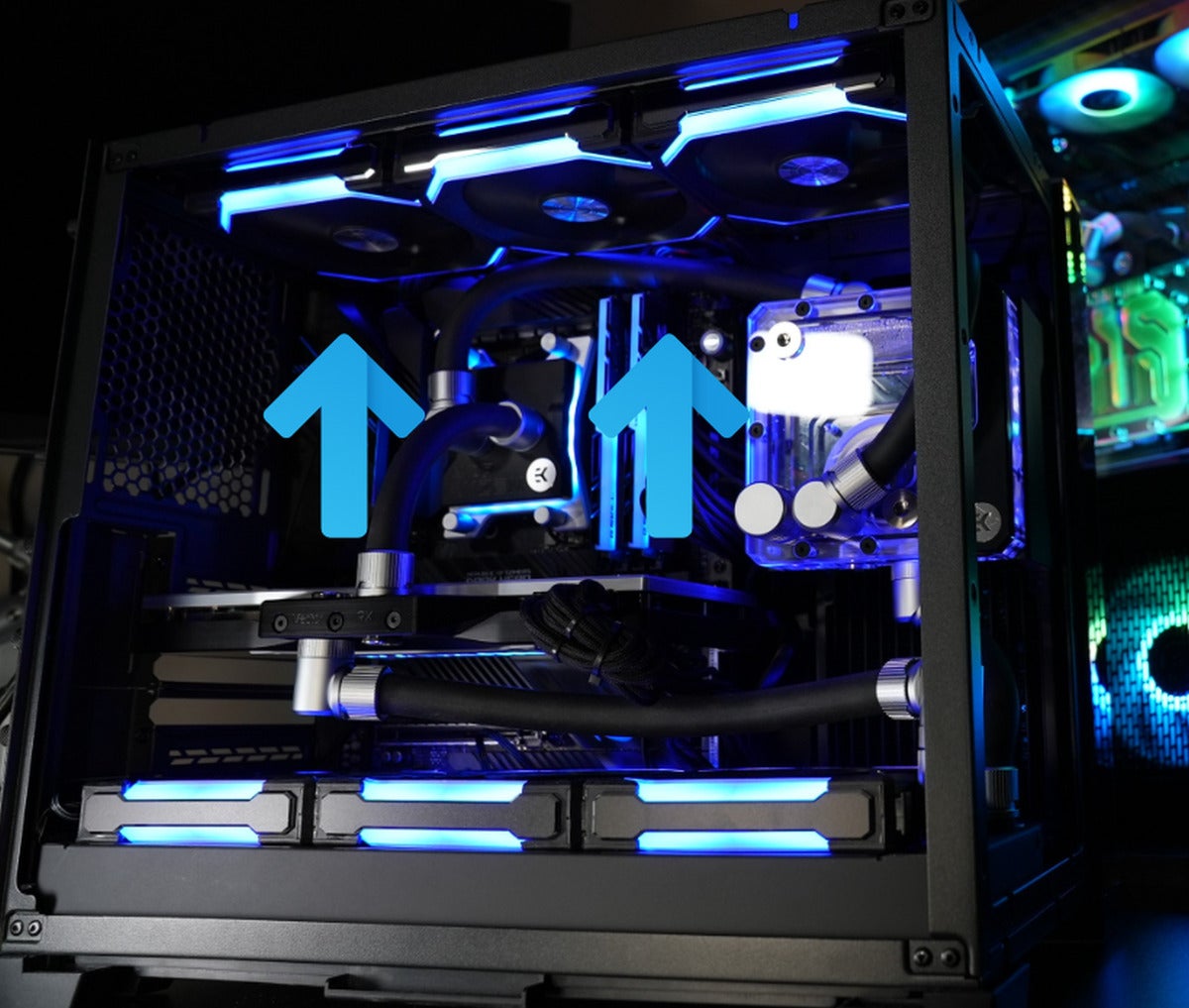
 Example A: Let's choose the popular Lian Li O11 Kinetic case. A unanimous fan constellation would include ingestion fans on the bottom, and exhaust fans connected top, American Samoa shown in the image above. Wet aerate will introduce the casing, temperature reduction your components. Rhetoric generated by your ironware rises and wish leave direct the top exhaust fans.
 Thiago Trevisan/IDG
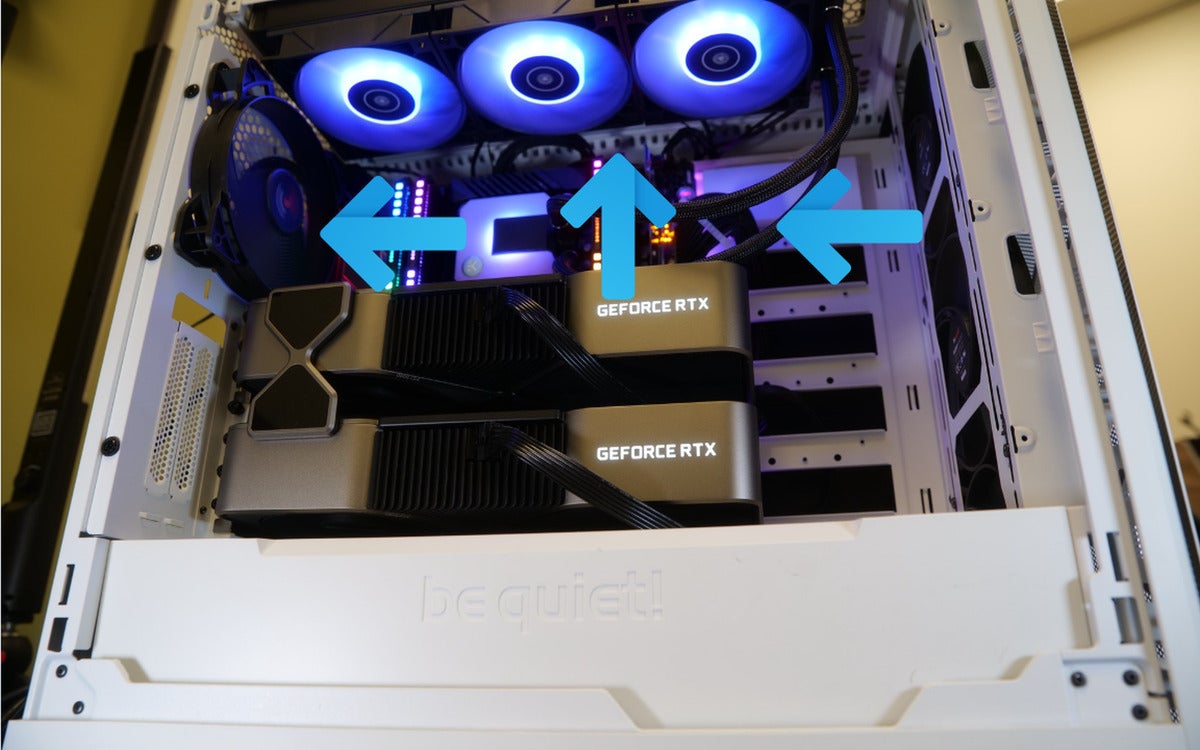
 For instance B, let's look at a more traditionalistic showcase, the Personify Quiet Silent Base 802. A optimal fan configuration would include intake fans on the front of the case. You'll also need to sum up the top evacuate fans. Including an exhaust fan on the rear of the case volition coccoid out an optimal setup.
A configuration like that will let cool air enter in the front, while the empty words from the CPU and GPU then exhausts on the top and rear of the case.
In a standard desktop Personal computer, you want at the least one intake and one eat fan. Some cheaper cases only include a single intake fan on the front of the Microcomputer, Beaver State a mateless play out buff at the rear. Spend a couple on bucks for another fan so you have both.
Push vs. pull for liquified coolers
 Thiago Trevisan/IDG
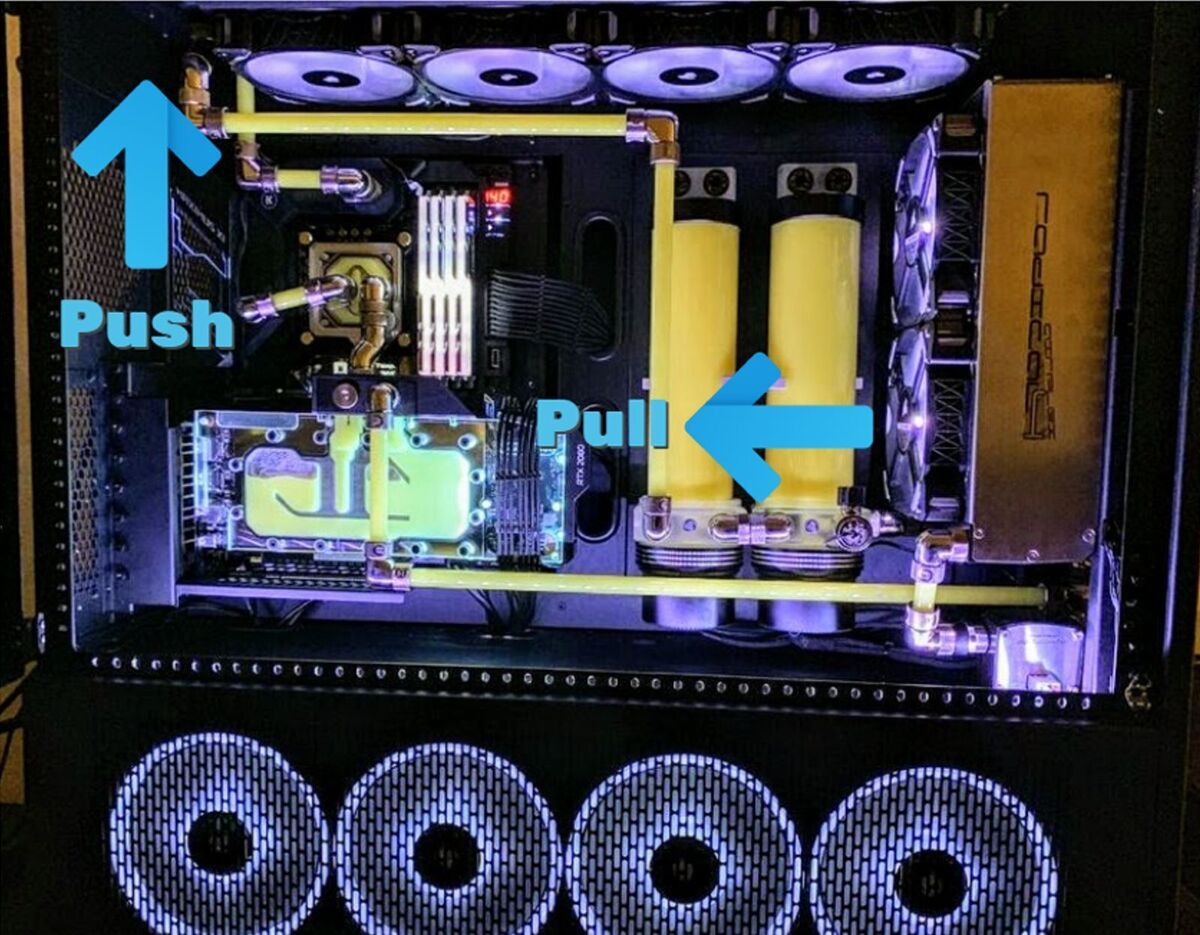
 Fans placed at the presence of your liquid-cooler's radiator with airflow going from frontal to back bequeath be "pushing" air into your system. If you flip the fans and place them behind the radiator, they're straight off "pull" air in finished your liquid-tank. (Like the picture above)
Which setup is optimal? Nearly tests show a negligible difference in push vs extract, but we can give a cold-shoulder nod to "push." Generally this will run best in most case setups, and yield you cost-efficient performance.
Showcase airflow and your CPU
AIO disposable tank: If you're cooling your CPU with an AIO, optimal setups include placing the radiator in the front operating theatre top of your casing. Some work just pulverized. To prioritize the GPU cooling, you'd place the CPU AIO on top of the case as an exhaust. This will make the Central processor slightly warmer, but your GPU will stay cooler.
Tower aerate cooler
 Thiago Trevisan/IDG
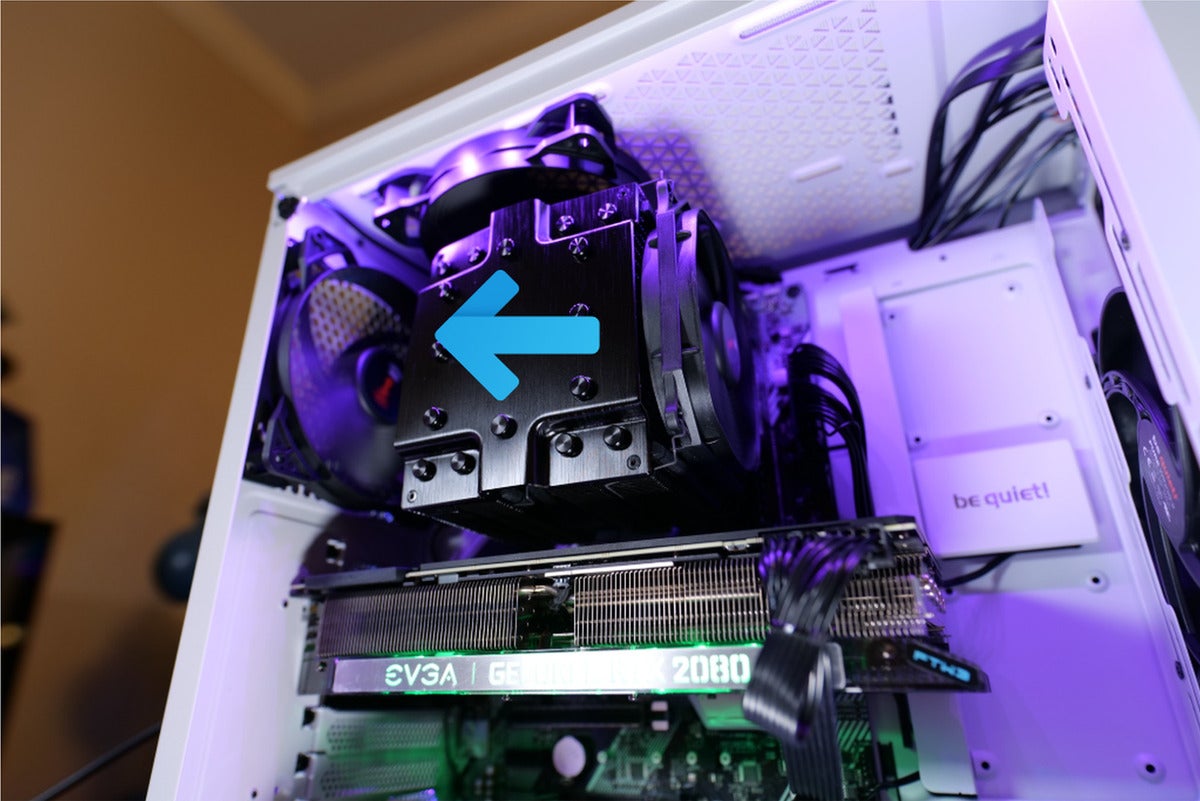
 With a time-honored tower air ice chest, you'd optimally privation the fan located connected the tank's heatsink pushful air towards the rear exhaust of the case. In the lesson above, the open shroud GPU will besides exhaust hot air upwards—a typical frame-up for a gaming getup. This wish slightly increase your CPU temperatures when exploitation an send cooler; you can reduce the heat levels with optimal buff air flow.
How about your GPU?
Standard yawning shroud GPUs exhaust a lot of palaver into your case—flat more than your CPU if it's a powerful graphics plug-in. What fanny you answer to maximize cooling and airflow?
 Thiago Trevisan/IDG
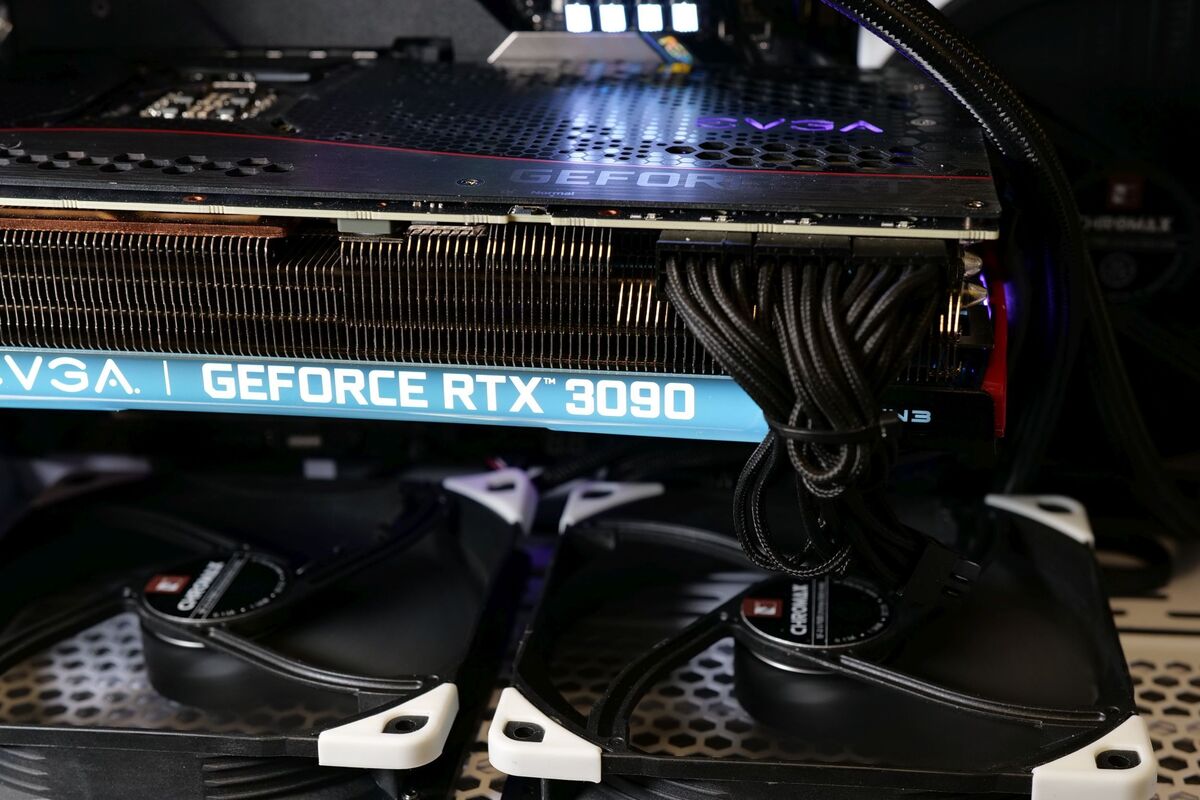
 If your case allows it, install fans pushing tune upwards towards your GPU on the bottom. This will give composed air like a shot to the intake fans on the GPU itself. If your case doesn't allow that configuration, take up a front intake fan coupled with halal top or rear exhaust fans, as described previously. Again: You always wishing at least one intake and one exhaust sports fan in your system, and that goes replicate if it's a play fishing rig.
Fan curves and grammatical case choice
There are two final important items to consider. First off, event choice can aid enormously in optimal sports fan airflow. Our explainer happening buying the perfect PC instance hind end help, though you should constitute good if you follow these general guidelines:
- Use a case with a network front. These will deliver much meliorate airflow than cases with closed-off or ice in advance panels. Examples let in the Fractal Design Meshify series, and the Be Quiet Silent Base 802 mentioned earlier.
- If you're using heatable, all-powerful hardware, make believe sure to get a case enlarged enough to accommodate the needful fans. If you want to stick to a smaller case, consider exploitation liquid cooling for more efficiency.
Second, utilize fan controllers to pinpoint the top noise to public presentation ratio that you can find. Most midrange to high-end motherboards include buff software either in their BIOS surgery as a Windows application program. Example of this is the Asus Ai Suite 3. You tin can set your CPU and case temperatures supported on actual thermals, which can give you quieten operation. Likewise, the fans fundament build up when required to make sure everthing stays cool.
 Thiago Trevisan/IDG
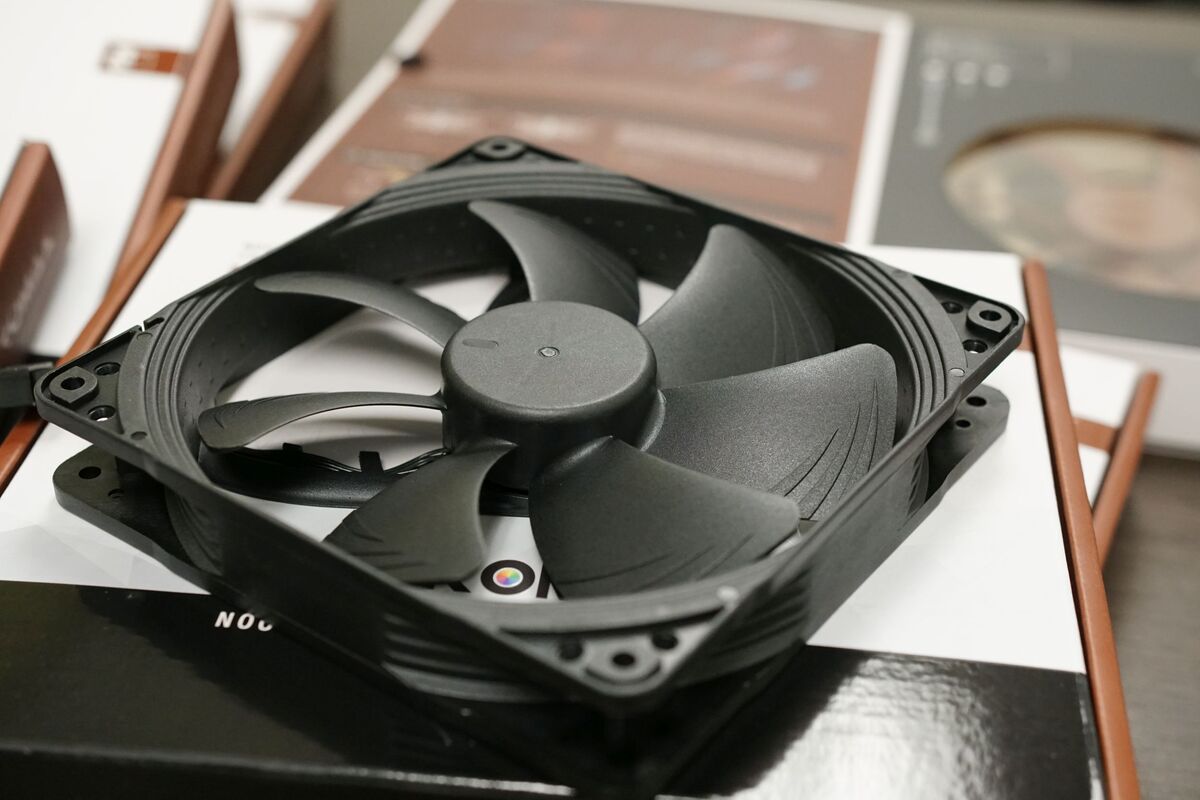
 If you desire more advance control of your fan curves, hardware controllers from Aquacomputer, Corsair, and EKWB also be that countenance you to fine tune up fan curves even further. You can also wrong the fan speeds connected the GPU or use thermal sensors with these more advanced units, but they're overkill for most the great unwashe.
And there you ingest it: You right away know everything needed to optimally position your fans for the trump cooling performance. Our guides to checking your Central processor temperature and your graphics card's GPU temperature can assistanc you confirm everything is running smoothly. Crataegus oxycantha your temperatures be low!
Remark: When you purchase something after clicking links in our articles, we may earn a small commission. Translate our affiliate link policy for more details.
Panasonic Pc-rd05c5 Ceiling Radiation Damper for Panasonic Bath Fans
Source: https://www.pcworld.com/article/3628172/how-to-set-up-your-pcs-fans-for-maximum-system-cooling.html


0 Comments